
Protect Your Pavement Before Deterioration Spreads
Seal Coating and Striping in Houston for asphalt surfaces showing fading, weathering, or unclear parking lot lines
Houston Pavement Repair LLC applies seal coating and striping to extend the life of your asphalt and restore clear traffic markings. You call when your parking lot looks gray and brittle, when striping has worn off, or when customers complain about confusing layouts. This service applies a protective layer to asphalt surfaces and repaints parking stalls, directional arrows, fire lanes, and handicap zones so your property looks organized and functions safely.
Seal coating seals the surface of asphalt to prevent water, UV rays, and automotive fluids from breaking down the binder that holds aggregate together. In Houston, heat and sudden downpours accelerate oxidation, causing the asphalt to crack and lose flexibility. Once the surface degrades, water seeps into the base, leading to potholes and costly structural failure. Seal coating creates a waterproof barrier that slows this process and gives the pavement a uniform black finish.
Reach out if your asphalt looks faded or if your lot needs updated line work to meet accessibility standards.
How the Application Process Works
Seal coating begins with cleaning the surface using power brooms and blowers to remove dirt, debris, and loose material that would prevent adhesion. You will see the crew inspect for cracks, oil stains, and drainage issues before applying any product. Oil spots require priming with a specialty sealer, and cracks wider than a quarter inch are filled with rubberized crack filler before the seal coat goes down.
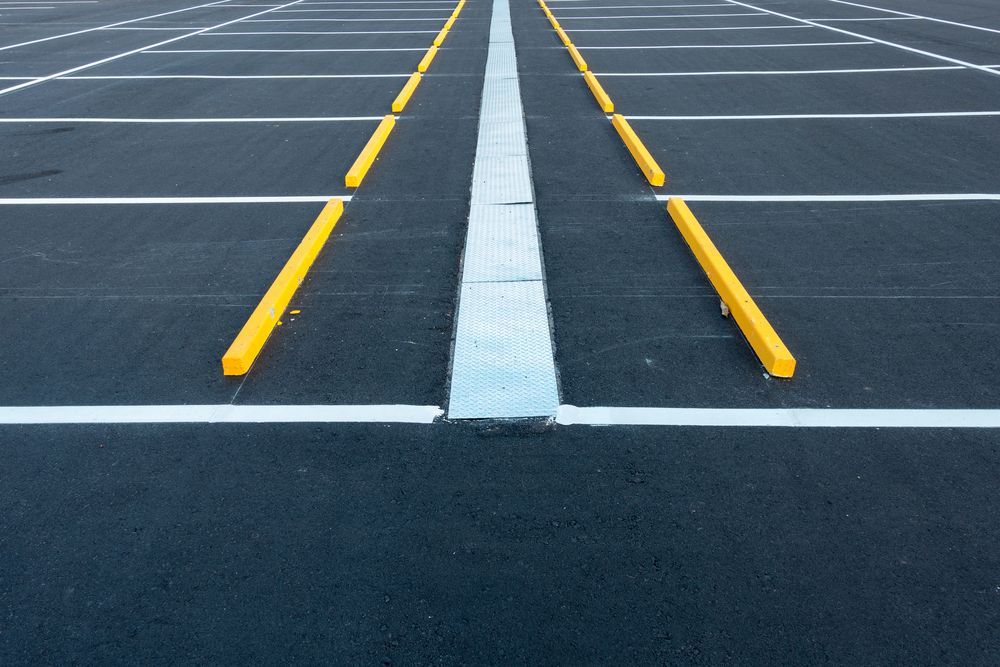
After the surface is prepped, Houston Pavement Repair LLC applies a coal tar or asphalt emulsion sealer in two thin coats using a spray system or squeegee application, depending on lot size and surface condition. The sealer dries to a dark, even finish that restores the appearance of the pavement and reduces friction from weathering. Once cured, striping is applied using traffic-grade paint and stencils to mark parking spaces, crosswalks, loading zones, and ADA-compliant symbols.
Curing time depends on temperature and humidity, but most lots can handle light foot traffic within four to eight hours and vehicle traffic within twenty-four to forty-eight hours. Seal coating does not repair structural damage or fill large voids. If the asphalt base has failed or if drainage problems exist, those must be addressed separately before sealing.
Questions About Seal Coating and Parking Lot Maintenance
Property managers and business owners often ask how seal coating differs from resurfacing, when to schedule the work, and what prep steps matter most.
How often should asphalt be seal coated?
You should seal coat every two to three years depending on traffic volume, sun exposure, and drainage conditions to maintain surface integrity and appearance.
What is asphalt crack filling and when is it needed?
Asphalt crack filling uses hot rubberized material to seal cracks before they widen, preventing water infiltration that leads to base erosion and pothole formation.
What is concrete joint filling?
Concrete joint filling involves sealing control joints and expansion gaps in concrete slabs with flexible sealant to stop water from entering and causing freeze-thaw damage or subgrade erosion.
Why does striping fade faster in Houston?
High UV exposure, heavy rain, and frequent washing break down paint pigments and binders, requiring restriping every one to two years for high-traffic commercial lots.
Can seal coating be applied over old sealer?
Yes, as long as the previous coat has not peeled or delaminated and the surface is clean, dry, and free of standing water or oil contamination.
Houston Pavement Repair LLC schedules seal coating during dry weather with temperatures above fifty degrees to ensure proper curing and adhesion. Contact the team to inspect your lot and outline a maintenance plan that keeps pavement intact and markings visible year-round.